How to Practice Speaking New Language Every Day
Build simple daily speaking routine wit shadowing, self-talk, AI conversation, and focused feedback—even if you no get language partner.
Speaking na the skill wey language learners want pass—and na the one dem practice least. To read article or finish vocabulary exercise dey comfortable because you get time to think. Conversation different: you need find words, build sentences, listen, and respond for real time.
The good news be say speaking confidence no need hours of daily study or language partner wey dey always available. Focused routine of fifteen minutes fit train you to retrieve words faster, notice your recurring mistakes, and express everyday ideas more naturally.
Long learning streak alone no always mean say you dey practice speaking, so make the daily action include time wey you actually talk.
Build fifteen-minute speaking routine
Short routine dey easier to repeat than ambitious plan. Divide fifteen minutes into three simple parts:
- Warm up for three minutes. Describe wetin you dey see, how you feel, or wetin you plan do today.
- Speak for eight minutes. Choose one topic and explain am, answer questions, or have conversation.
- Review for four minutes. Write down missing words, unclear sentences, and one correction to practice tomorrow.
This structure remove the daily question of “Wetin I suppose study?” You always know wetin to do, but the topic fit change wit your interests and goals.
Start wit self-talk
Self-talk na one of the easiest ways to increase speaking time. You no need audience, and you fit practice during moments wey for otherwise dey silent.
Try narrate ordinary activities:
- “I dey make coffee before work.”
- “I need answer two emails dis morning.”
- “The weather look warmer than yesterday.”
- “I dey look for my keys, but I no fit remember where I leave dem.”
Simple sentences dey useful because daily conversation dey built from dem. As dem become easier, add reasons, comparisons, and opinions. “I dey make coffee” fit become “I dey make coffee because I sleep badly and I need more energy.”
When you no fit express something, no switch language immediately. First, describe the idea wit words wey you already know. Dis develop the flexibility wey you need for real conversations.
Use shadowing to improve rhythm
Shadowing mean say you listen to short piece of natural speech and repeat am as closely as possible. Instead of copying only individual sounds, imitate the speaker's rhythm, pauses, stress, and emotion.
Choose audio wit transcript and work wit one or two sentences at a time:
- Listen once for meaning.
- Read the transcript and notice unfamiliar phrases.
- Listen again and mark pauses and stressed words.
- Repeat wit the speaker.
- Record yourself and compare.
Five careful repetitions dey more valuable than rushing through long video. Choose material near your level so your attention stay on speaking rather than decoding every word.
Practice useful phrases, no isolated words
To know word no guarantee say you fit use am quickly. Learn vocabulary inside phrases wey already contain grammar and context.
Instead of memorizing only “recommend,” practice:
- “Wetin you go recommend?”
- “I go recommend make you try…”
- “You fit recommend place near here?”
Phrase practice reduce the number of decisions wey you need make while speaking. E also help you sound more natural because you learn combinations wey speakers commonly use.
Keep small list of phrases connected to situations wey you actually face: introducing yourself, joining meeting, ordering food, asking for directions, or discussing hobby. Reuse few phrases across several days before adding more.
Have conversations without waiting for partner
Language partners and tutors fit be valuable, but scheduling no suppose control whether you practice. AI conversation partner let you speak when you get time and repeat situations without feeling say you dey waste another person patience.
Give the conversation clear purpose. For example:
- Role-play checking into hotel.
- Explain your work to someone outside your field.
- Discuss the advantages and disadvantages of remote work.
- Practice job interview at your current level, like preparing for call-center interview.
- Retell story and answer follow-up questions.
Ask for questions one at a time, and request feedback after you finish answer rather than after every sentence. Dis keep the interaction conversational while still giving you useful corrections.
Review one type of mistake at a time
Trying to fix pronunciation, grammar, vocabulary, and fluency at the same time fit make you afraid to speak. Choose one focus for each session.
On Monday, you fit pay attention to past-tense verbs. On Tuesday, focus on pronunciation of one difficult sound. On Wednesday, practice connecting ideas wit words like “however,” “because,” and “although.”
After speaking, keep short correction log:
- Wetin I try say?
- Wetin I say?
- Wetin be clearer or more natural version?
- Wetin new example I fit make wit the correction?
Return to recurring mistakes for future conversations. Correction become useful only when you fit apply am for new sentence.
Follow simple seven-day plan
Use dis schedule as starting point and replace the topics wit situations relevant to your life.
| Day | Speaking activity | Review focus |
|---|---|---|
| Monday | Describe your typical day | Present-tense verbs |
| Tuesday | Shadow one-minute conversation | Rhythm and stress |
| Wednesday | Role-play ordering food | Polite requests |
| Thursday | Explain recent decision | Giving reasons |
| Friday | Discuss topic you enjoy | Topic-specific phrases |
| Saturday | Retell short story | Past-tense verbs |
| Sunday | Repeat your hardest activity | Compare wit your first attempt |
Repeating activity no be failure or boredom. E give you evidence of progress. Conversation wey feel difficult on Monday fit feel noticeably easier after week of focused practice.
Make speaking easy to start
The best routine na the one wit very little friction. Attach speaking practice to existing habit, like your morning coffee, commute, lunch break, or evening walk. Keep your phrase list and correction log for one place. Decide tomorrow topic before today session end.
Track completed sessions rather than minutes of perfect speech. Some days go feel smooth; other days you go forget familiar words. Both dey normal. The important result na say retrieving and using the language become daily behavior.
Practice wit feedback for Liplip
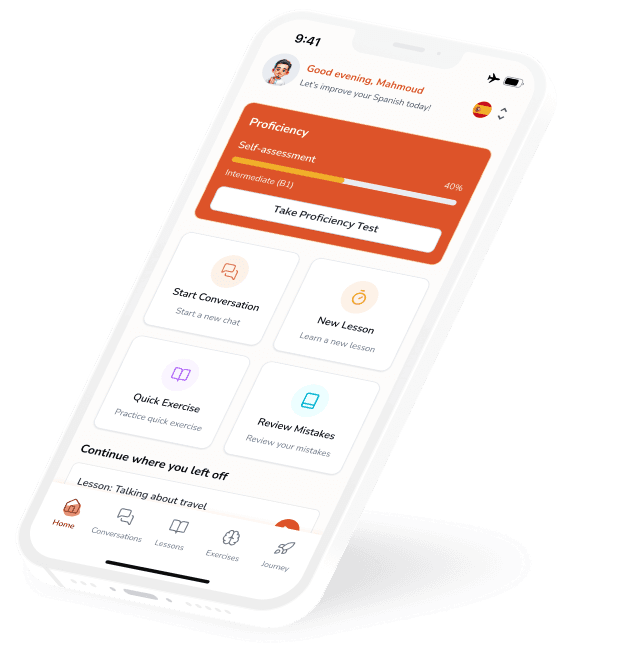
Liplip combine realistic AI conversations wit lessons and exercises adapted to your level and goals. You fit practice situation, receive focused feedback, and return to mistakes wey need more attention—without waiting for partner or worrying about being judged.
Start practicing wit Liplip and turn fifteen minutes of your day into consistent speaking progress.